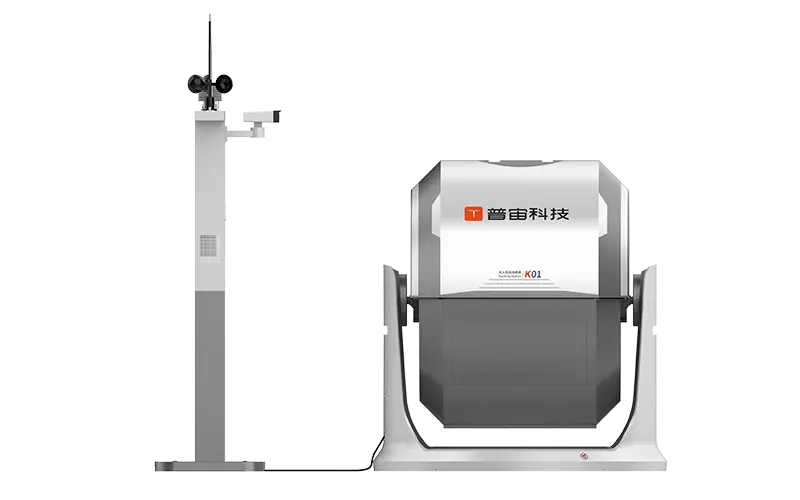
 GDU
GDU
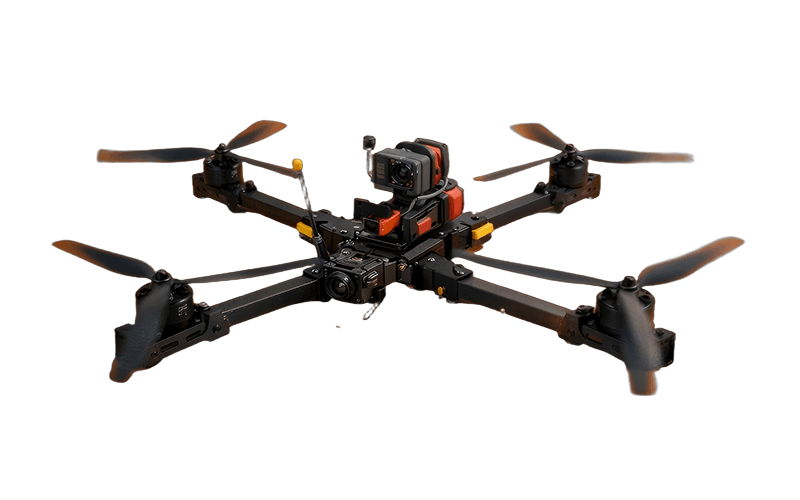 UUUFLY
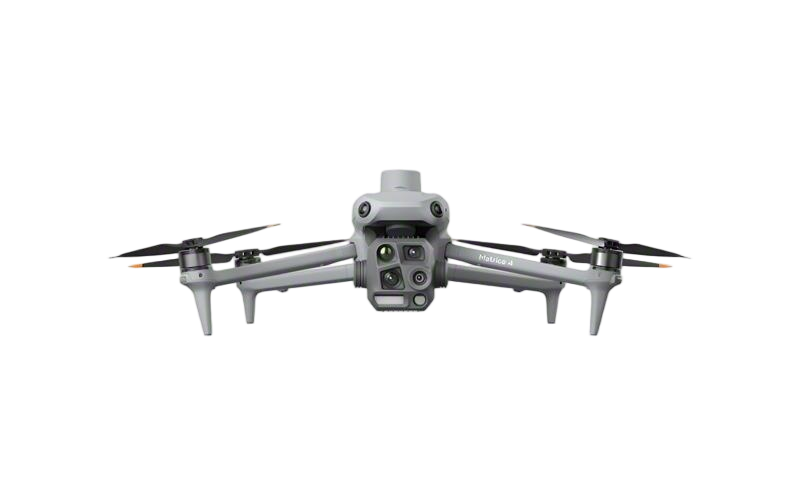 DJI
DJI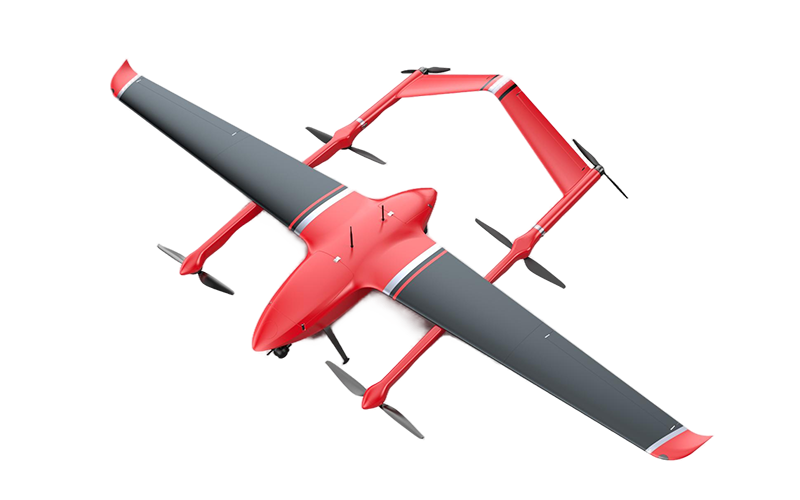 MMC
MMC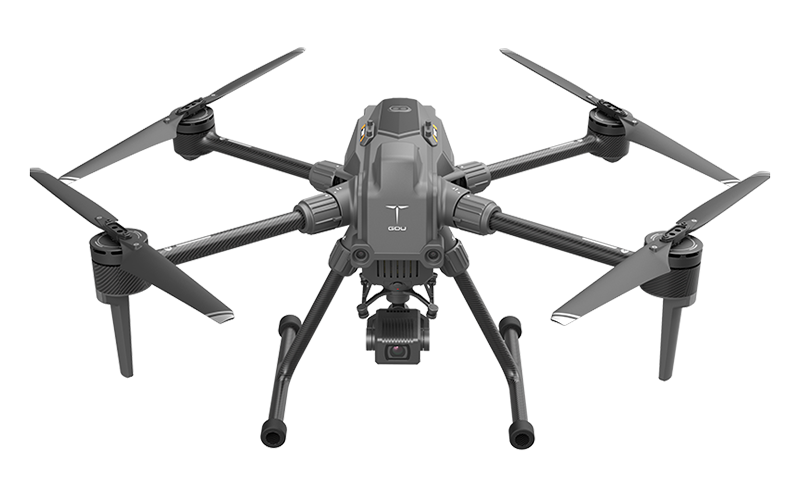 GDU
GDU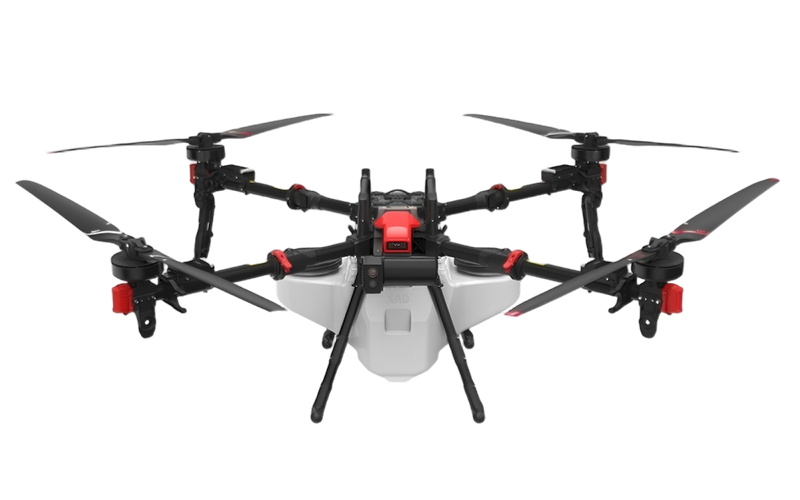 XAG
XAG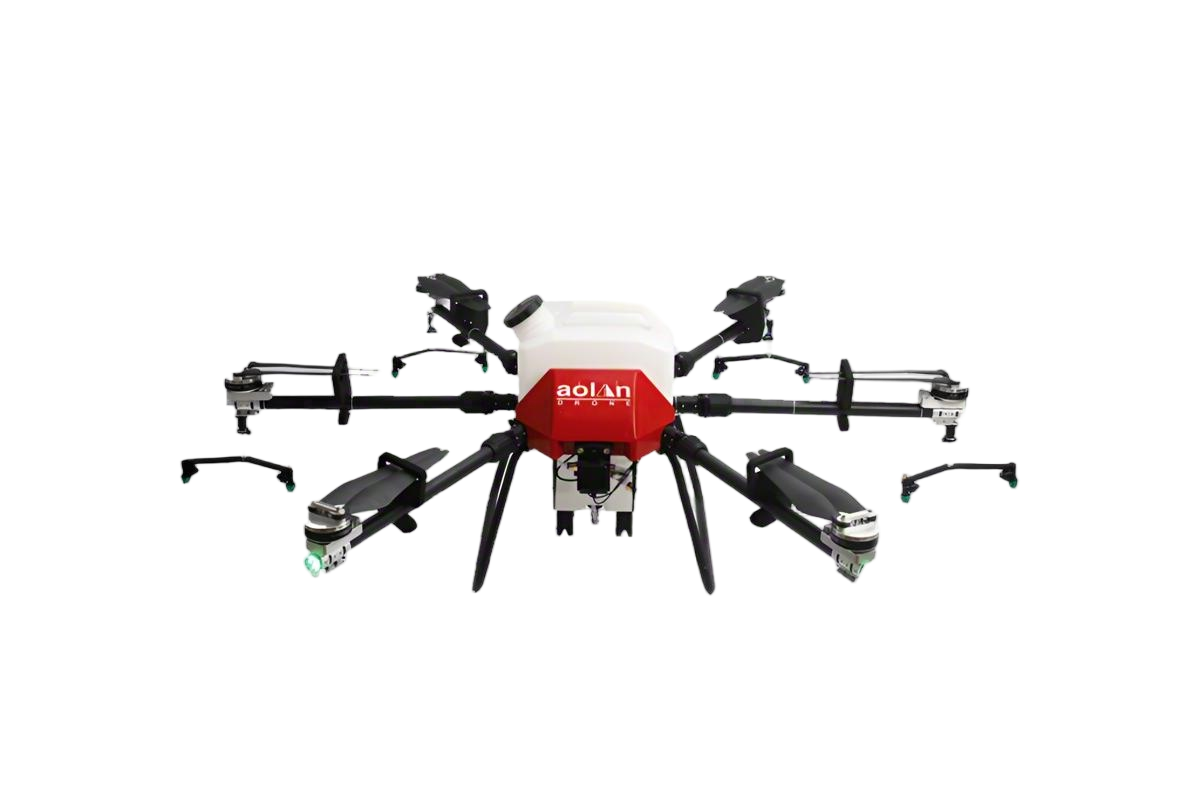 AOLAN
AOLAN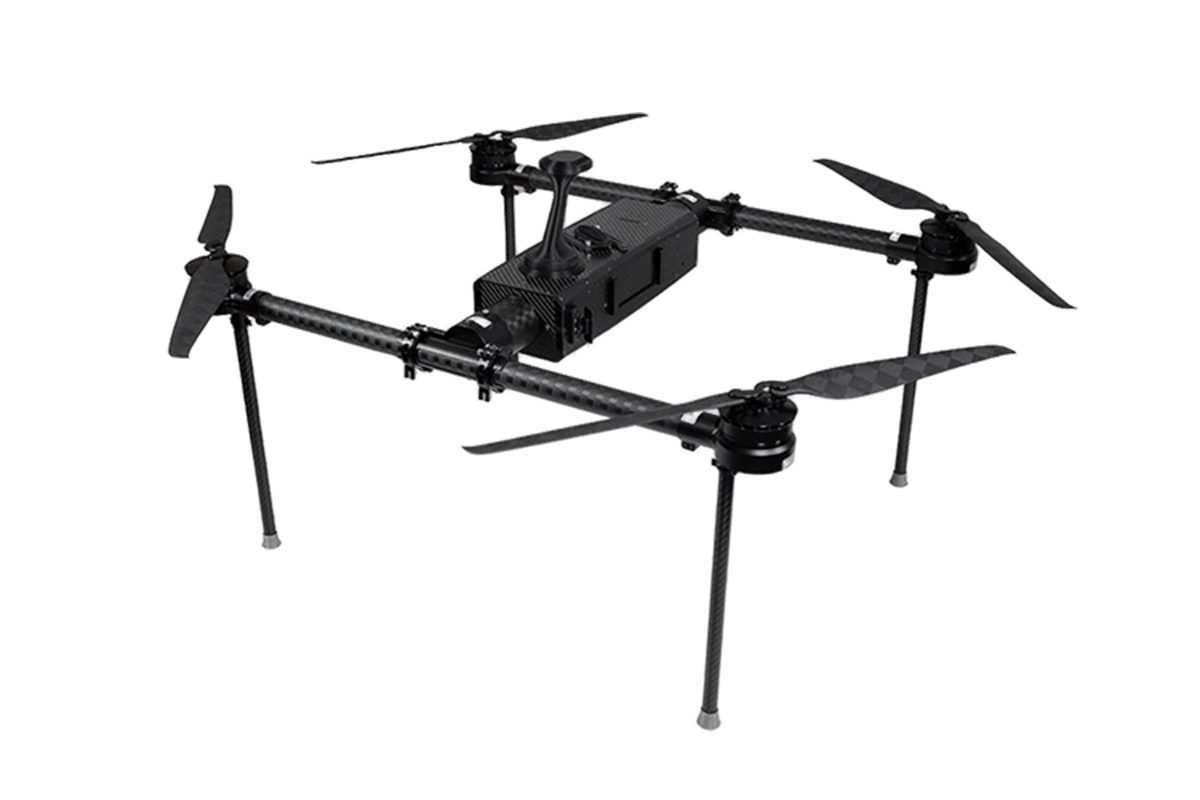 KEEL
KEEL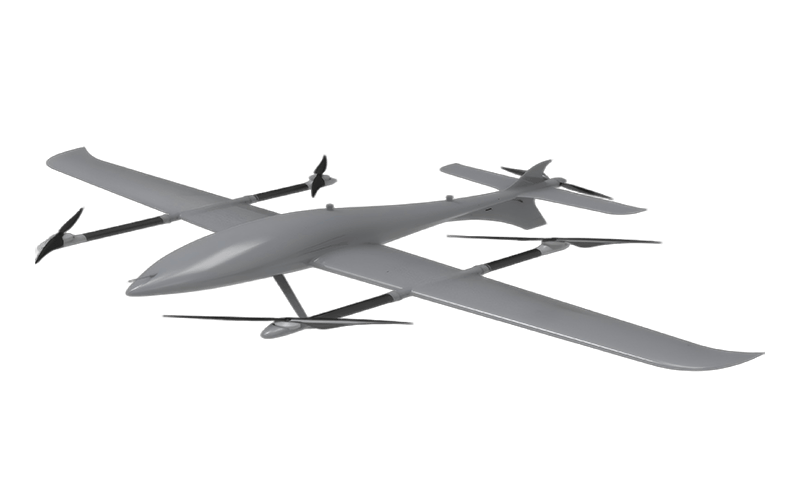 SKY NEXT
- DJI Matrice-4T
- DJI Matrice 4E Drone
- DJI Matrice 4TD
- DJI Matrice 30T
- DJI Mavic 3 Emterprise
- DJI Mavic 3M Multispectral Drone
- DJI RC 2 Plus Industry Plus
- DJI Matrice 4 Series Battery
- DJI Matrice 4D Series Batteries
- TB65 Intelligent Flight Battery
- TB100 Smart Flight Battery
- WB37 Battery
- DJI Accessories

Picking the right commercial drone for your business can really make a difference. With tech moving so fast these days, there are tons of different models out there — and honestly, it can get pretty overwhelming trying to figure out which one’s best for you. The key is to think about what your specific needs are for your industry.
Drones come in all shapes and sizes, each built for different kinds of jobs. So, you’ve gotta consider stuff like how long they can stay in the air, how much weight they can carry, and the quality of their cameras. For example, farming and real estate needs are pretty different, and the drone that’s perfect for one might not cut it for the other. If you pick the wrong one, it could end up slowing you down or wasting resources. Every drone has its own strengths and weaknesses, so it’s worth doing your homework.
Research is your best friend here. Check out trustworthy reviews, see what experts are saying, and maybe even ask folks who’ve used different models. Getting some real-world experiences can be super helpful. Don’t rush through this part — take your time to figure out what truly fits your business. And don't forget to strike a good balance between cost and quality. Ultimately, your decision should be a mix of careful planning and making sure you’re not rushing into something just because it’s urgent.

Understanding the Different Types of Commercial Drones Available
When exploring the various types of commercial drones, it’s vital to understand their unique features and applications. Drones are generally categorized into three types: fixed-wing, multi-rotor, and hybrid. Fixed-wing drones are ideal for long-range missions. They can cover expansive areas quickly. Multi-rotor drones excel in maneuverability and are commonly used for aerial photography. Hybrid drones combine the best of both worlds, providing versatility in different environments.
Tips: Assess your specific needs before making a choice. Consider flight time, payload capacity, and required range. This helps ensure that the drone you select suits your operational demands.
Analyzing the factors involved in drone selection is crucial. Understanding how each type performs in real-world conditions will shape your decision. If you need precision, multi-rotor drones are often more effective in tight spaces. However, if your work involves surveying large plots, fixed-wing drones will save time. Experimenting with different models can reveal which best fits your business objectives.
Tips: Don’t rush into a purchase. Research and possibly demo various drones. This can clarify their features and limitations, leading to a more informed decision. Finding the right drone can significantly enhance your business efficiency and competitiveness.
How to Choose the Best Commercial Drones for Your Business? - Understanding the Different Types of Commercial Drones Available
| Drone Type | Payload Capacity | Flight Time | Range | Best Use Cases |
|---|---|---|---|---|
| Multirotor | Up to 10 kg | 20-40 minutes | 1-5 km | Aerial photography, surveying, inspections |
| Fixed-Wing | Up to 20 kg | 1-12 hours | 10-100 km | Mapping, large area surveys, agricultural monitoring |
| Hybrid VTOL | Up to 15 kg | 30-60 minutes | 5-20 km | Search and rescue, infrastructure inspection |
| Payload Delivery | Up to 5 kg | 20-30 minutes | 2-10 km | Medical supply delivery, retail logistics |
| Inspection Drones | Varies (typically under 5 kg) | 20-40 minutes | 1-3 km | Infrastructure inspection, power line monitoring |
Unlocking the Future of Aerial Technology: Analyzing the Market Growth and Applications for the MMC M12 Professional Drone in Commercial Sectors
The advent of advanced aerial technologies is reshaping various commercial sectors, and the MMC M12 professional drone exemplifies this transformation. As industries seek to enhance operational efficiency, the M12's exceptional capabilities in vertical takeoff and landing (VTOL) combined with fixed-wing technology are redefining the limits of drone applications. The unique design allows for extended flight durations and increased payload capacity, making it an invaluable asset for industries such as agriculture, logistics, and surveillance.
In agriculture, the MMC M12 can be utilized for precision farming techniques, providing real-time data collection and analysis to optimize crop yields. Its ability to cover vast areas quickly and efficiently enables farmers to monitor crop health and apply treatments with remarkable accuracy. Similarly, in the logistics sector, the drone's extended range and reliable performance facilitate rapid delivery services, bridging the gap between supply and demand in a rapidly evolving market.
Furthermore, applications in surveillance and environmental monitoring are equally compelling. The drone’s advanced imaging technology ensures detailed assessments of infrastructures and ecosystems, aiding in timely decision-making processes. By unlocking the potential of aerial technology through models like the MMC M12, industries are not only improving their workflows but are also setting the stage for future innovations that can drive significant advancements across the commercial landscape.

FAQS
: The main types are fixed-wing, multi-rotor, and hybrid drones. Each has unique features suited for specific tasks.
Assess your specific requirements, such as flight time and payload capacity. This will ensure you select the most suitable drone.
Fixed-wing drones are ideal for long-range missions. They cover large areas quickly, saving time on extensive surveys.
Multi-rotor drones offer excellent maneuverability. They work well in tight spaces and are great for aerial photography tasks.
Research and demo various models before purchase. Understanding each drone’s features helps in making an informed choice.
Consider whether the drone will operate indoors or outdoors. This affects the design and capabilities of the drone you need.
Budget is crucial. Focus on balancing cost with necessary features, not just advanced technology that may overwhelm you.
Know the local aviation laws regarding drone use, including weight, altitude, and operational zones to avoid penalties.
Training enhances safety and ensures compliance with regulations. It also helps in implementing best practices during drone operations.
Keeping informed about changing rules positions your business as responsible and builds trust with customers and authorities.
Conclusion
Choosing the best commercial drones for your business involves understanding the various types available and identifying key features essential for your specific needs. Assessing your business requirements and how drone technology can enhance operations is critical, alongside evaluating regulatory compliance to ensure adherence to laws governing drone usage.
Budgeting is another vital aspect, as the costs associated with commercial drones can vary significantly. It's important to consider not only the initial investment but also ongoing technical support and maintenance options. Lastly, staying informed about future trends in commercial drones can help businesses make informed decisions that align with evolving technology and industry standards, ensuring that the selected drones provide long-term value.
Related Posts
-

Top Commercial Drones to Watch in 2026 for Businesses?
-

2026 Top Industrial UAVs What Buyers Need to Know
-

How to Choose the Best Commercial Drones for Your Business?
-

Top Professional Drones for Global Buyers in 2026?
-

How to Choose the Best Commercial UAV Solutions for Your Business Needs
-

How to Choose the Best Enterprise UAVs for Your Business Needs
